Understanding Food Sensitivity Symptoms
Understanding Food Sensitivity Symptoms
Many people experience various health issues daily and might not realize that some of these could be linked to food sensitivities. This blog aims to help the reader understand what food sensitivities are and how they can impact one's health and well-being.
What Are Food Sensitivities?
Food sensitivities occur when the body has difficulty digesting certain foods. Unlike food allergies, which trigger an immediate immune response, food sensitivities are often delayed and can manifest hours or even days after eating. This can make it tricky to pinpoint the exact foods causing problems.
Recognizing the Symptoms
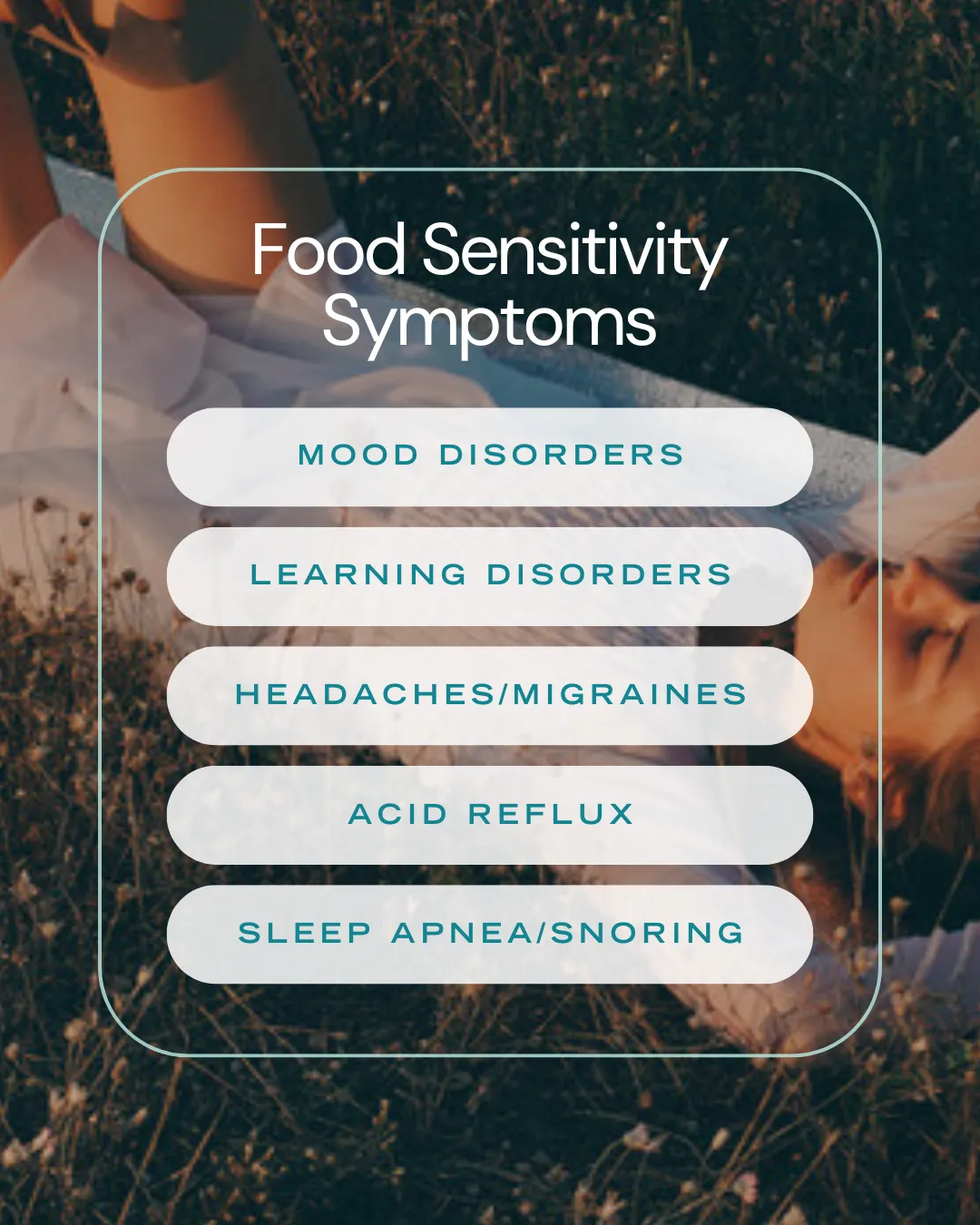
Symptoms of food sensitivities can vary widely, but some common issues include:
- Mood Disorders: Foods can impact mood, potentially leading to anxiety or depression. A diet that excludes problematic foods might help improve mood stability.
- Learning Disorders: Some foods might affect concentration, making it harder for people, especially children, to learn effectively.
- Headaches/Migraines: Certain foods are known triggers for headaches and migraines, which can be debilitating.
- Acid Reflux: Foods that aren’t tolerated well can lead to digestive issues like acid reflux, causing discomfort and a burning sensation.
- Sleep Apnea/Snoring: Foods might contribute to inflammation or mucus production, possibly worsening conditions like sleep apnea or causing snoring.
How to Identify Food Sensitivities
Identifying food sensitivities can be a process of trial and error. Here are some steps to help:
- Keep a Food Diary: Document everything you eat and how you feel afterward. Patterns might emerge that point to specific foods causing symptoms.
- Elimination Diet: Remove suspected foods from your diet for a few weeks, then gradually reintroduce them one at a time to observe any reactions.
- Consulting a Healthcare Professional: A doctor or nutritionist can provide guidance and may suggest testing to help identify problem foods.
Managing Food Sensitivities
Once you identify the foods causing problems, management becomes easier. Here are some tips:
- Understand Food Labels: Learning to read and understand food labels helps avoid ingredients you want to steer clear of.
- Plan Your Meals: Planning ahead ensures you have safe meals ready, reducing the temptation to eat something that might cause discomfort.
- Find Alternatives: Substitute problem foods with alternatives that are less likely to cause a reaction.
Living Well with Food Sensitivities
With the right approach, living with food sensitivities doesn’t have to be limiting. It allows people to make informed choices about their health. Embracing a lifestyle that accounts for food sensitivities can lead to reduced symptoms and a better quality of life. Make sure to approach dietary changes thoughtfully and consult professionals where necessary.
Conclusion
Addressing food sensitivities plays a crucial role in enhancing one’s well-being. By recognizing symptoms and managing diets accordingly, individuals can alleviate discomfort and improve their overall quality of life. Understanding one’s own body and its reactions can empower healthier living each day.