Understanding the Body's Top 3 Stressors
Understanding the Body's Top 3 Stressors
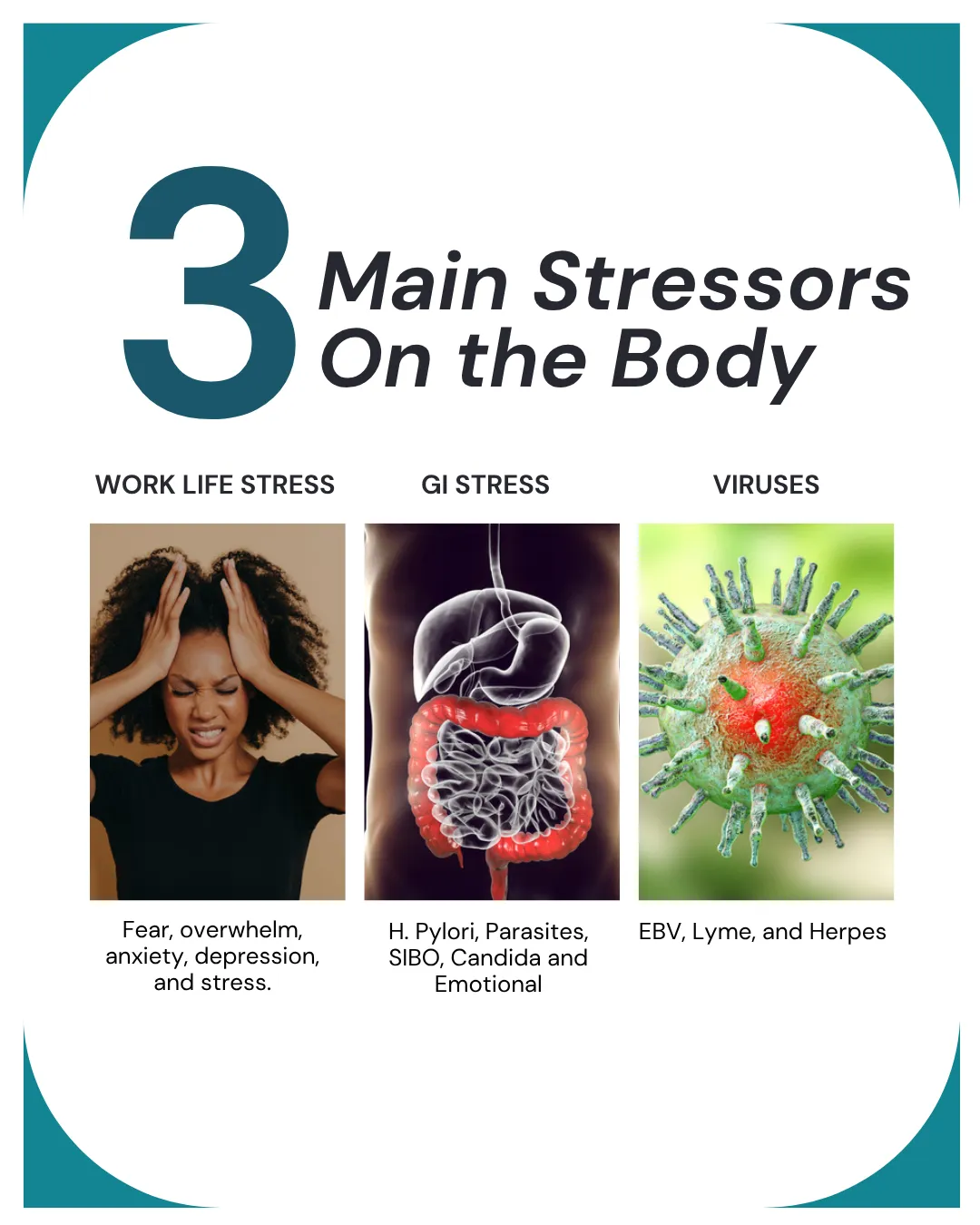
In our busy lives, stress often seems unavoidable, impacting not just our minds but our entire bodies. Today, let's explore the three main stressors on the body: work life stress, gastrointestinal (GI) stress, and viral stress. Understanding these can help us manage them better.
1. Work Life Stress
Work life stress is something many people face every day. It includes feelings of fear, overwhelm, anxiety, depression, and stress. These feelings are often triggered by jobs, personal responsibilities, and the never-ending pursuit of success.
- Fear and Overwhelm: It's normal to feel scared or overwhelmed by deadlines, expectations, and tasks. However, chronic fear can affect mental health and lead to sleepless nights.
- Anxiety and Depression: Feeling anxious or depressed can often originate from stress at work or home, affecting overall well-being.
To manage work life stress, it's important to take breaks, talk to someone you trust, and practice relaxation techniques such as meditation or yoga.
2. GI Stress
Gastrointestinal stress refers to issues affecting the digestive system. Common culprits include H. Pylori, parasites, SIBO, Candida, and emotional stress.
- H. Pylori and Parasites: These can cause severe digestive problems, leading to stomach pain and discomfort.
- SIBO and Candida: Small Intestine Bacterial Overgrowth (SIBO) and Candida overgrowth can disrupt the balance of healthy bacteria in the gut. This leads to bloating and discomfort.
- Emotional Stress: Stress isn’t just a mind game; it can physically affect the digestive system, slowing it down and causing issues like constipation.
Managing GI stress often involves a balanced diet, staying hydrated, and seeking medical advice if symptoms persist. Probiotics and digestive enzymes may also help keep the gut healthy.
3. Viral Stress
Viruses like EBV, Lyme, and Herpes are significant stressors on the body. These can weaken the immune system and make it harder for the body to fight off infections.
- EBV (Epstein-Barr Virus): This virus is known for causing mono, but it can also linger in the body, causing fatigue and other health issues.
- Lyme: Caused by tick bites, Lyme disease can lead to long-term joint pain and other complications if not treated promptly.
- Herpes: A common virus that can cause outbreaks on the mouth or genitals, causing stress and discomfort.
To combat viral stress, maintaining a healthy immune system is crucial. This includes eating nutritious food, getting enough sleep, and possibly using antiviral supplements as advised by a healthcare provider.
Conclusion
Understanding these three main stressors on the body can lead to healthier lifestyle choices. Reducing stress isn't just about relaxing; it's about taking charge of our mental, physical, and emotional health. Take time to self-reflect, seek help when needed, and incorporate stress-management techniques into your daily routine for a healthier, happier life.